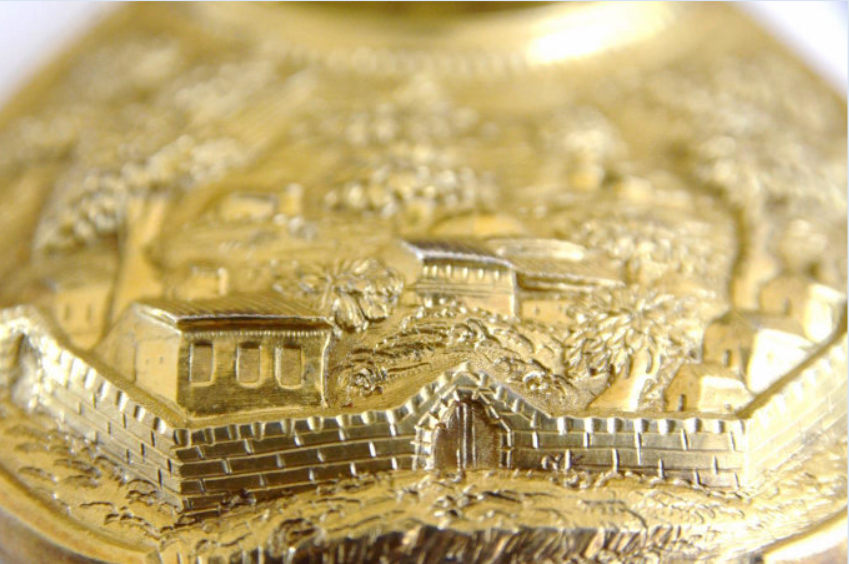
The City in a Key: Fortress Keys as Topographical Maps
Titolo: The City of the Key: Urban Plans and Topographies on Ottoman Fortress Keys
Astratto:
Fortress keys in the Ottoman Empire were far more than functional tools; they were powerful symbols of sovereignty, victory, and urban identity. This research focuses on the unique collection of silver and decorated keys preserved in the Topkapı Palace Museum and the Military Museum, many of which were historically kept in Aya İrini (Cebehane) as trophies of conquest.
Fortress keys in the Ottoman Empire were far more than functional tools; they were powerful symbols of sovereignty, victory, and urban identity. This research focuses on the unique collection of silver and decorated keys preserved in the Topkapı Palace Museum and the Military Museum, many of which were historically kept in Aya İrini (Cebehane) as trophies of conquest.
Key Insights of the Research:
- Semantic Reunion: Much like the Golden Horn Chains project, this study aims to reunite artifacts that have been dispersed across different museum collections. By bringing these keys under a single research framework, the “sovereignty message” they were intended to convey is restored.
- Keys as Topographical Archives: A remarkable detail discovered during this research is that several keys (such as those from Silistra, Kule, and Fethül İslam) feature intricate relief carvings reflecting the actual urban plans, fortifications, and topographies of the cities they represent. These depictions serve as rare architectural records of the 18th and 19th-century urban landscapes.
- Sovereignty and Symbolism: The study explores how Sultan Mahmud II commissioned these silver keys not just as administrative objects, but as a response to the geopolitical shifts of the era, particularly along the Danube border.
Impact and Publications:
As the most comprehensive research on this specific subject, this study updated previous academic literature and evolved into two major publications and an e-book in the following years. It continues to serve as a vital reference for art historians and historians interested in Ottoman metalwork and urban history.
As the most comprehensive research on this specific subject, this study updated previous academic literature and evolved into two major publications and an e-book in the following years. It continues to serve as a vital reference for art historians and historians interested in Ottoman metalwork and urban history.
giovane, il. (2011). “Città della Chiave: Piani urbani visti a Castle Keys” [Manifesto], WE. Culturale Internazionale Studi Symposium, Spazio e Cultura, 8-10 settembre, Kadir ha l'università, İstanbul.
