Forensic Standards for Archaeological Biological Materials
Primary Author: Dr. Mehmet Görgulu
Conservazione & Strategy Contribution: Ugur giovane
Contesto: Presentato al Simposio internazionale della penisola storica di Istanbul (2013).
Astratto
Biological materials—human skeletal remains, botanical samples, and faunal remains—are the most fragile witnesses of our past. This research, led by Dr. Mehmet Görgulu, addresses the critical protocols required to preserve the biological “DNA” and historical integrity of these materials during the high-risk transition from the excavation site to the laboratory.
Conservazione & Forensic Strategy
As a contributing expert in preventive conservation, Uğur Genç integrated forensic standards into archaeological practice to prevent the irretrievable loss of data. The study focuses on mitigating DNA contamination and biological decay through specialized field-to-lab protocols.
Preventing DNA Contamination: The study outlines strict field procedures, including the use of masks, hairnets, and gloves, to ensure that the genetic profile of the workers does not overwrite the biological data of the artifacts.
Optimal Micro-Environment: To prevent bacterial growth and DNA degradation, the research advocates for “breathing” storage solutions (cardboard and paper) over airtight plastic packaging, which can cause rapid mold and structural collapse.
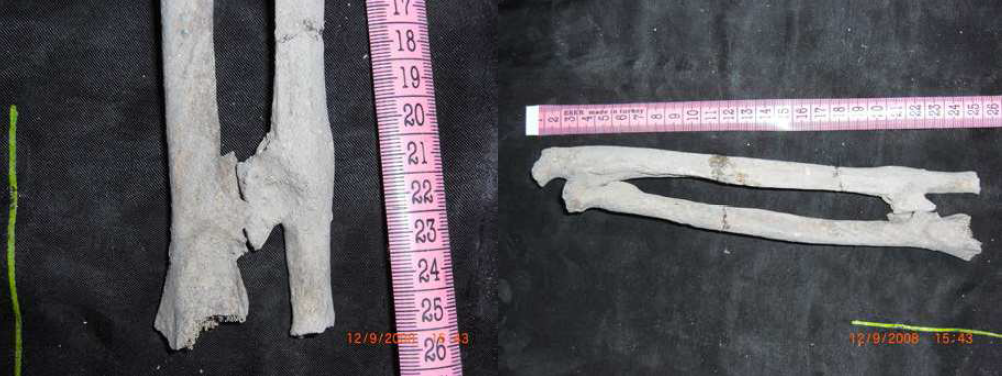
“Forensic” Extraction of Evidence: The project details the correct removal sequences for skeletal remains—prioritizing humidity control and protection from direct sunlight (UV)—to ensure that evidence of trauma, disease, or cause of death is not lost during lifting.
Standardizing Laboratory Interaction: The study introduces a coordinated workflow where the conservator acts as the guardian of the material’s physical stability, while the forensic expert decodes its biological narrative.
By using the Yenikapı and Kadıkalesi (Anaia) excavations as benchmarks, this paper provides a universal manual for the “Conservazione forense” of organic materials. It serves as a vital resource for ensuring that the silent witnesses of history reach the laboratory as “evidence” rather than “debris,” preserving the biological truth of the past for future generations.
Esperto, M., tepec, F. e Giovani, il. (2013). “Processo di trasporto ideale di materiali biologici dal campo al laboratorio: Yenikapı e Kadıkalesi Anaia Scavi Esempio”, Simposio internazionale della penisola storica di Istanbul, 1-3 Ekim, ISTYAM, İstanbul, 440-446.