The Conservator as an Archaeometric Coordinator
Title: Archaeometric Studies of Excavation Finds from Erzurum-Tepeköy
Presented at the 34th International Symposium on Archaeometry (2012).
This research marks a significant shift in the methodology of cultural heritage preservation, positioning the conservator not merely as a technical practitioner but as a central “Forensic Detective” and coordinator of archaeometric investigations. By integrating laboratory protocols with historical evidence, the study demonstrates how a conservator initiates and manages advanced scientific analyses to decode the life cycle and tragic end of historical artifacts.
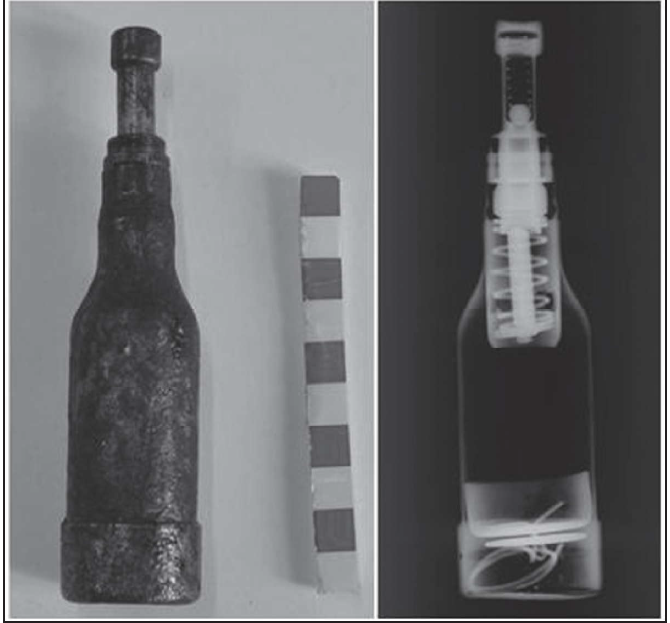
Traditionally seen as an adjunct to archaeology, this study advocates for the conservator as a key stakeholder in archaeometric discourse. The conservator is the one who identifies the diagnostic potential of an object—such as the hidden spring in a grenade or the DNA preserved within a leather glove—and coordinates with specialized institutions (TAEK, MEDADER, DATU) to reveal these secrets.
Genetic Profiling (K & T2 Haplogroups): Through DNA analysis of skeletal remains found within shoes and gloves, the study confirmed that the victims were male and likely shared common ancestral roots, providing biological evidence to support historical records.
Radiographic & CT Imaging: The use of Industrial X-ray and Medical CT scans allowed for a “non-invasive autopsy” of the finds. From determining the age and height of a victim via a severed hand to identifying the trigger mechanism of an explosive, these methods provided data that the naked eye could never perceive.
Elemental Fingerprinting (WDXRF & XRF): Chemical analysis of metal finds (bullets, coins, and tools) helped categorize production technologies and verify the origins of the materials used during the 1918 events.
This paper serves as a manifesto for modern conservation, proving that the conservator’s true value lies in their ability to bridge the gap between hard science and historical narrative. It stands as a milestone in the “Forensic Conservation” series, where scientific data is used to restore not just the object, but the truth of the history it represents.
Genç, U. (2013). “Erzurum-Tepeköy Kazı Buluntularının Arkeometrik İncelemeleri”, 28. Arkeometri Sonuçları Toplantısı, (28 Mayıs – 1 Haziran 2012, Hitit Üniversitesi, Çorum), Kültür Varlıkları ve Müzeler Genel Müdürlüğü Yayınları, 221-234.