The Authenticity of Forgery: Shifting the Museological Paradigm from Static Display to Interactive Material Forensics
(Sahteciliğin Otantikliği: Müzecilik Paradigmasını Statik Teşhirden Etkileşimli Materyal Adli Tıbbına Taşımak)
(Sahteciliğin Otantikliği: Müzecilik Paradigmasını Statik Teşhirden Etkileşimli Materyal Adli Tıbbına Taşımak)
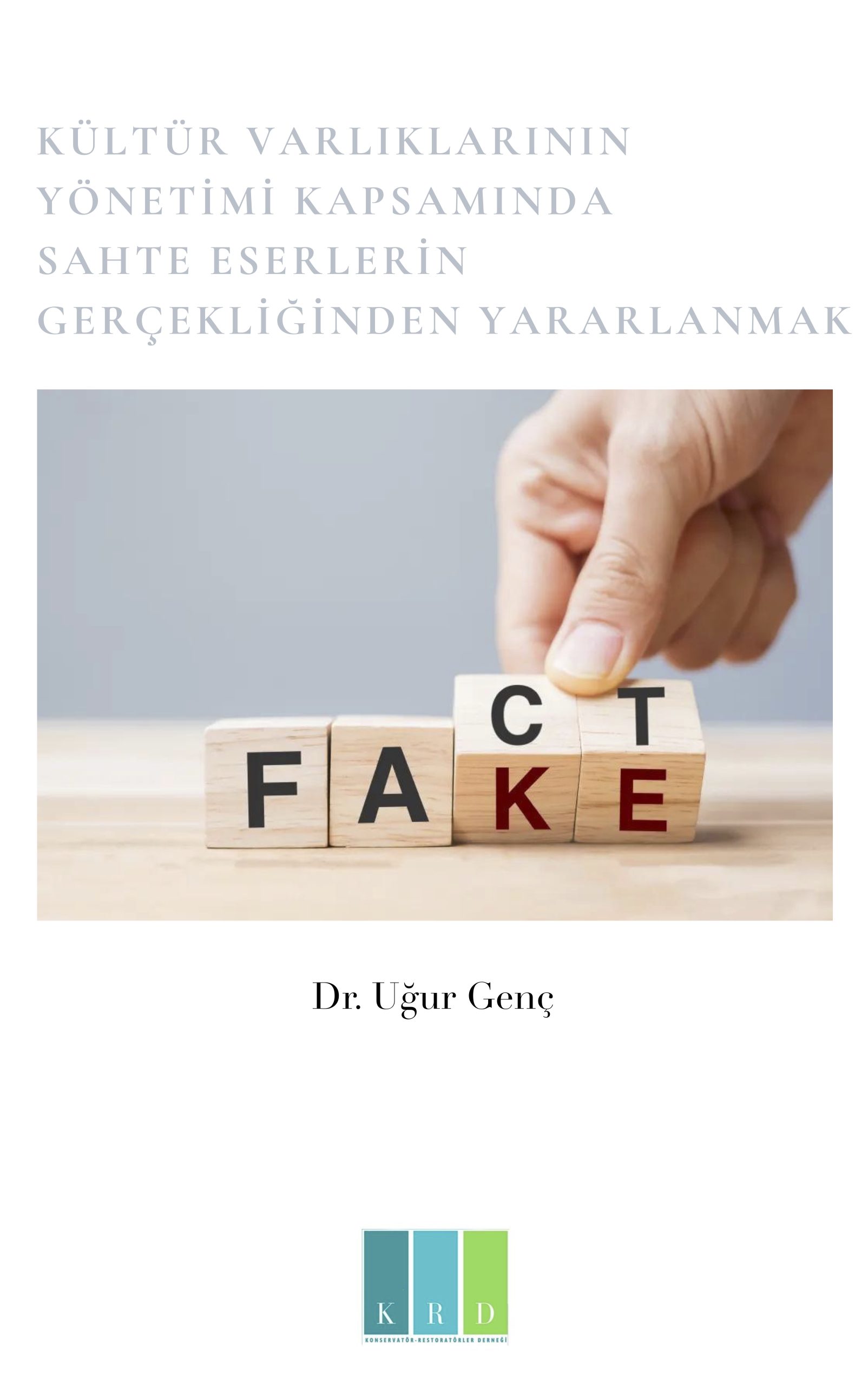
Book Title: Exploiting the Reality of Fake Artifacts within the Scope of Cultural Property Management (Kültür Varlıklarının Yönetimi Kapsamında Sahte Eserlerin Gerçekliğinden Yararlanmak)
Co-Publisher: Dr. Uğur GENÇ & The Association of Conservator-Restorers (Konservatör-Restoratörler Derneği)
ISBN: 978-605-06741-1-8
Format: Open-Access Electronic Book (e-Book)
Year: October 2023
From Hidden Contraband to Educational Catalyst: The Birth of “Why is Fake Fake?”
In traditional heritage management, objects proven to be fakes or forgeries are systematically stigmatized, stripped of legal status, and locked away in dark museum depots. This pioneering volume, rooted in my doctoral dissertation completed under Prof. Dr. Ali Akın Akyol, challenges this institutional blindness. It asserts a radical truth: as real as the physical presence of these replicas is, the cultural phenomenon of forgery is just as real. If an object holds a narrative of human deception, economic greed, or stylistic mastery, it possesses an authentic identity of its own time and deserves rigorous conservation and public interpretation.
The book documents the behind-the-scenes laboratory investigations and architectural planning that led to the world-first ‘Why is Fake Fake?’ (Sahte Neden Sahte?) interactive exhibition at the Museum of Anatolian Civilizations. Moving far beyond passive showcases where visitors merely gaze at static replicas, this project established a hands-on learning hub. By integrating real-time diagnostic equipment, pXRF material profiles, and expert-led validation dialogues, we transformed the museum floor into a proactive space. Visitors are empowered to interrogate material data and answer the ultimate heritage riddle: ‘Based on what criteria do we declare history real or fake?’.
Key Highlights & Impact:
The Three-Legged Validation Protocol: Introducing a strict methodology for authentication combining Connoisseurship (expert eye), Provenance (archival history), and Technical Analysis (physico-chemical laboratory testing).
Exposing the Material Anachronisms: Utilizing pXRF mapping to detect fatal technical anomalies—such as finding modern chromium tanning signatures inside fake leather manuscripts.
Deconstructing the Forgery Blueprint: Mapping the four absolute criteria required to engineer a ‘perfect fake’: utilizing genuine ancient support materials, artificial patination, stylistic mimicry, and embedding the object inside a fabricated context.
Pioneering Interactive Museology: Designing the ‘Reality of the Fake’ (Sahtenin Gerçekliği) exhibition manual, transforming unprovenanced stones, cast irons, and polyester tablets into high-impact diagnostic tools.
Unifying Institutional Governance: Coordinating an unprecedented execution framework involving the General Directorate of Cultural Assets, regional restoration laboratories, and major national museums.
Every forgery carries its own authentic narrative of deception. As long as it tells a story, it is a primary material document of human history (from book).
Special Acknowledgements
This experimental museological revolution was realized through the absolute trust and support of the Museum of Anatolian Civilizations Directorate, specifically Yusuf Kıraç, Umut Alagöz, and Mine Çifçi. I also extend my gratitude to the Ankara Regional Conservation Laboratory and the Association of Conservator-Restorers for their institutional synergy throughout this forensic campaign.

GDE Hata: Dosya alımı esnasında hata - eğer gerekliyse hata kontrolünü kapatın (404:Not Found)